Pricing
Expert roofing solutions at your fingertips.
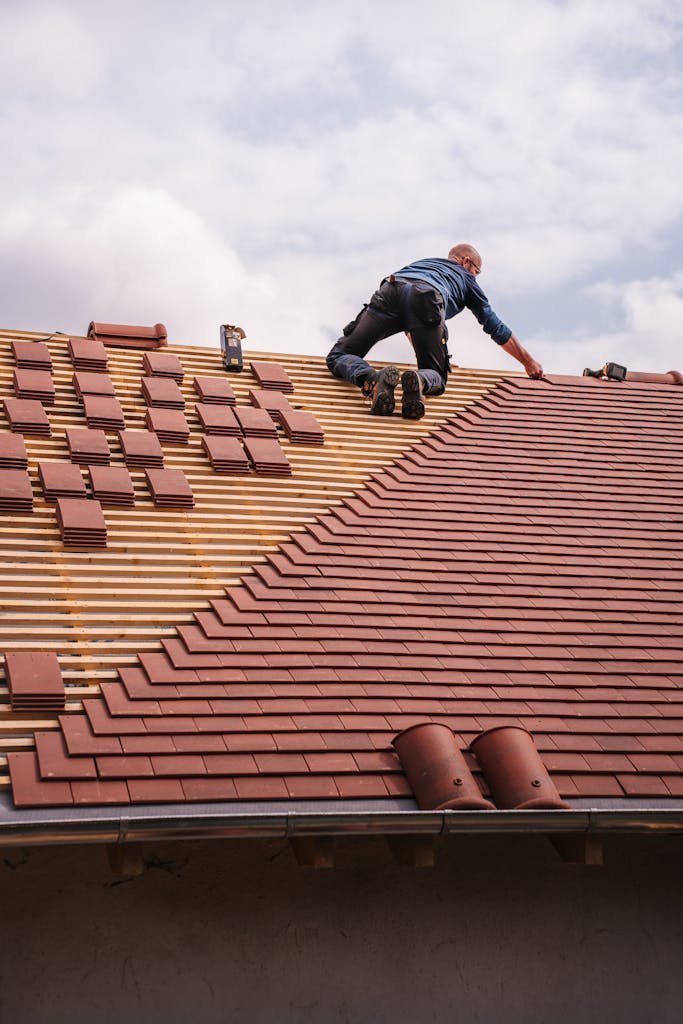
Full Roof
Replacement

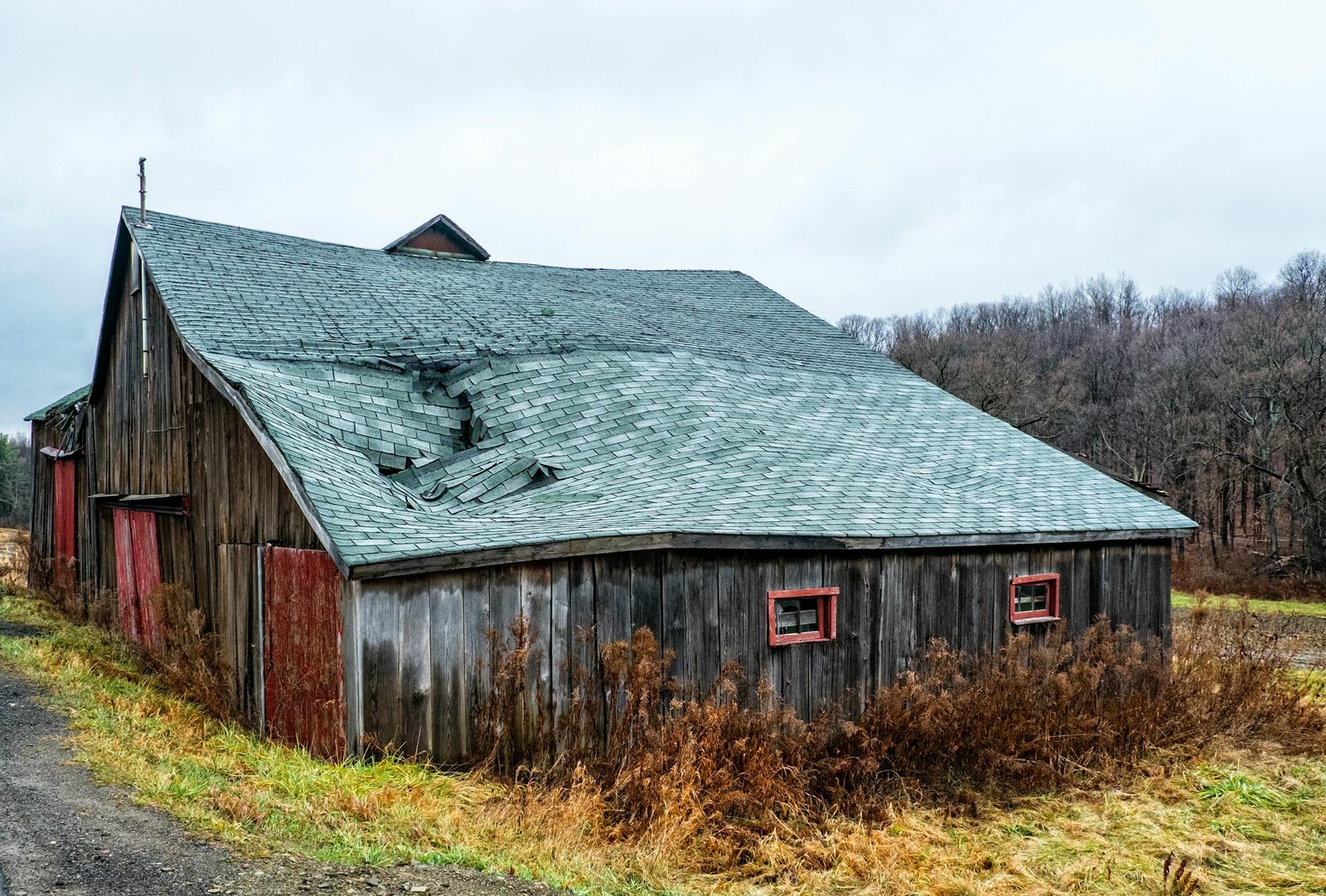
Hail Damage Repair
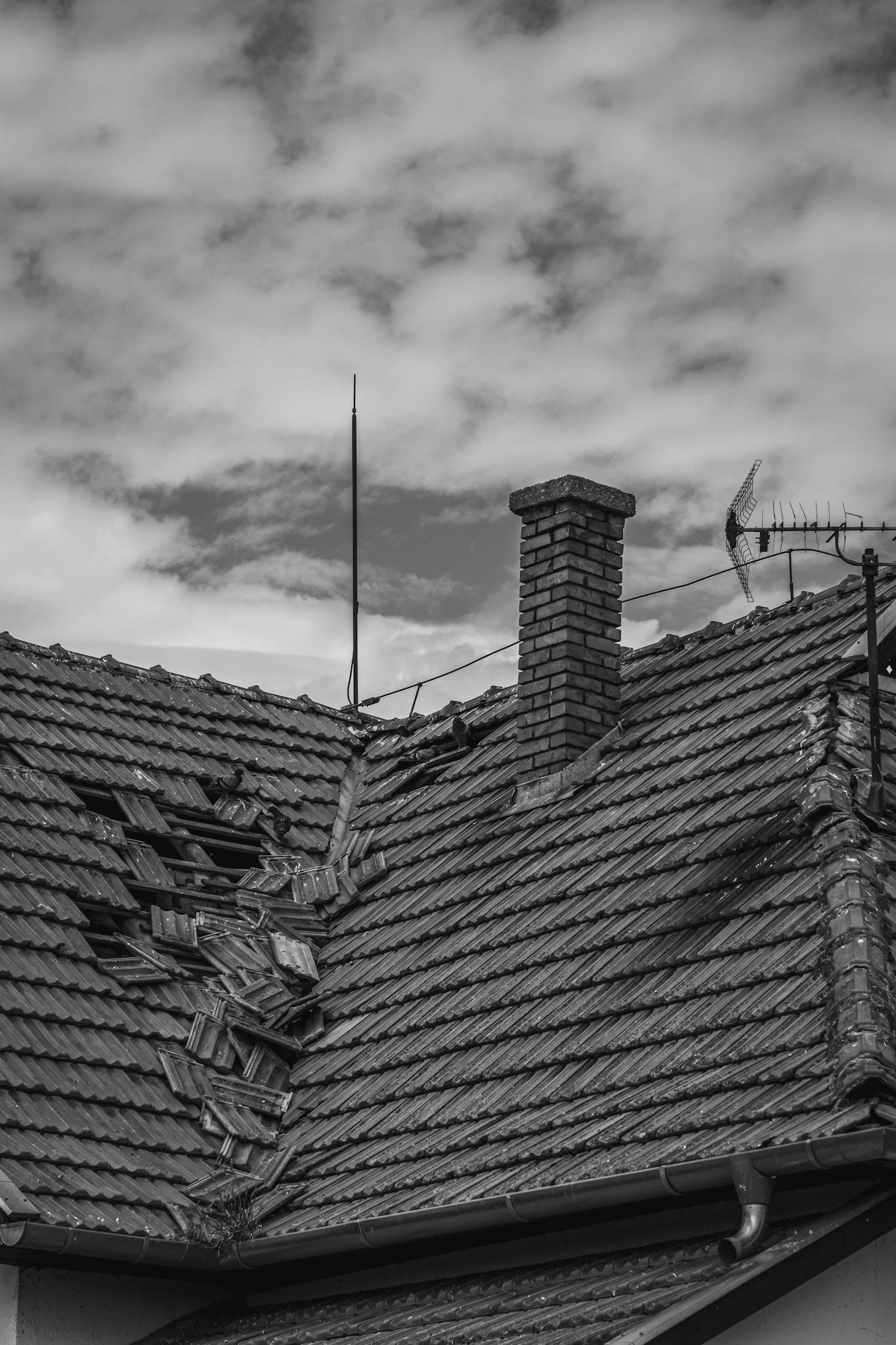
Storm Damage
Repair

Leak and Flashing Work
Feel Confident Budgeting for Roofing Expenses
Pricing is always an important factor when getting roof work done. Below is a price breakdown of our most common roofing services to help you navigate through the confusion.
Hail Damage Repair
Denver gets hit hard by hail every year. If you notice missing granules, dented flashing, or cracked shingles after a storm, get it looked at fast. Unaddressed hail damage turns into leaks quickly.
What affects the price: roof size and pitch, how much of the roof was hit, material type, and how busy contractors are post-storm. Most hail repairs go through insurance and we work directly with insurers to document damage and move the claim forward.
Estimated range:
$500 to $1,500 — minor damage, spot repairs, resealing flashing or replacing a small section of shingles
$1,500 to $4,000 — moderate damage across multiple roof sections or compromised underlayment
$4,000 to $12,000+ — severe hail that affected a large portion of the roof or required full material replacement
Full Roof Replacement
A full replacement is not urgent in the same way a leak is, but putting it off too long leads to water damage that costs more to fix than the roof itself. If your roof is over 20 years old or took a serious hit, it is worth getting an inspection sooner than later.
What affects the price: square footage, roof pitch, material choice, condition of the decking underneath, and whether ventilation needs to be updated. Labor is usually about 60% of the total cost. Material upgrades like Class 4 impact-resistant shingles or metal roofing push the price up but often pay off in lower insurance premiums and longer lifespan.
Estimated range:
$9,000 to $18,000 — standard asphalt shingles on a typical Denver home
$15,000 to $25,000 — Class 4 impact-resistant shingles, better durability and potential insurance discounts
$20,000 to $40,000+ — metal roofing, longest lifespan and best performance in Denver’s climate
Storm and Wind Damage Repair
Wind damage is easy to miss from the ground. Lifted shingles and loose flashing leave your roof exposed, and interior damage shows up later. After a big storm, a quick inspection can save you a lot of money.
What affects the price: how much was damaged, roof accessibility, whether the decking absorbed moisture while exposed, and how well the new materials match the existing roof. Most roofers charge a minimum trip fee so expect a baseline cost even on small jobs.
Estimated range:
$150 to $400 — a few blown off shingles or minor ridge cap damage
$400 to $2,000 — several damaged sections, flashing repairs, or material matching challenges
$2,000 to $5,000+ — widespread damage, exposed decking, or moisture that got into the roof structure
Leak Repair and Flashing Work
Leaks do not fix themselves. The longer you wait, the more damage spreads into decking, insulation, and framing. If you see water stains on your ceiling or notice drips after rain, call sooner rather than later.
What affects the price: where the leak is coming from, how many areas are affected, whether flashing needs to be replaced or just resealed, and how long the leak has been active. Rot or mold in the decking adds to the cost significantly.
Estimated range:
$350 to $800 — single point of failure, flashing resealed or replaced around one area
$800 to $1,500 — multiple problem areas or underlayment that needs to be repaired
$1,500 to $2,500+ — long-term leak with decking damage, rot, or mold involved
All prices are estimates based on current Denver market data. Actual costs vary by home size, roof complexity, materials, and contractor. Nothing here is a quote or a guarantee. Reach out for a free inspection and an accurate estimate for your specific job.
What to Know: Insurance Claims
Most homeowners wait too long to document storm damage. By the time an adjuster visits, evidence that would have strengthened the claim has been washed away by rain or obscured by a temporary patch. The first 48 hours after a storm are the most important window you have.
Before anyone gets on your roof, walk the exterior and photograph everything you can see from the ground. Damaged gutters, dented vents, cracked siding, and debris patterns all support a claim. Note the date of the storm and save any weather alerts or news coverage from that day. Your insurer will ask when the damage occurred. Having documentation that ties your claim to a specific event matters.
One mistake that costs homeowners money is signing a contractor agreement before the insurance adjuster has completed their inspection. A contractor who pressures you to sign before your adjuster visit is not working in your interest. You have the right to get an inspection, review your claim, and then decide who does the work.
Colorado homeowners policies typically include a deadline to file a claim after a storm event. Check your policy documents for the specific window, and do not assume you have unlimited time to act. The sooner you file and document the damage, the stronger your position.
A contractor from our network can walk your roof, document the damage in detail, and help you understand what an adjuster will look for, at no cost and with no obligation to hire them. That inspection gives you accurate information before you make any decisions.
Get a free inspection from a verified contractor.
Premium Roofing Solutions